Blog / Woodbridge Ford Service

How Long Has It Been Since Your Last Ford Oil Change?

Periodically changing your oil keeps your engine running smoothly and it also keeps your vehicle warranty valid. So if it's been more than six months since your last Ford oil change, then it's probably time to have it done. Let's take a look at how often you should change your oil and the top reasons for keeping your motor oil fresh.

Never Leave It Longer Than 7,500 Miles

In the past, it was often recommended to have your oil changed every 3,000 miles. But with modern Ford vehicles and the durability of modern synthetic oil, there's really no need to have motor oil changed quite so often.

These days, you should have your oil changed every 5,000 to 7,500 miles, which usually works out to every six months. This coincides nicely with the recommended intervals for having your tires changed and brakes serviced.

Keep Your Warranty Valid

Most drivers gain peace of mind from their vehicle warranty. If this is the case for you, then keeping your warranty valid is a very good reason to regularly change your oil. Be sure to check the requirements laid out in both your owner manual and warranty, and stick to the recommended schedule, always using a type of oil approved by Ford.

Maintain Good Performance

Your motor oil serves to lubricate the mechanical parts of your engine, ensuring that the valves, pistons, camshaft, and other parts all work together smoothly. By minimizing friction, motor oil also keeps the engine from overheating.

But over time, motor oil begins to deteriorate and fill with tiny bits of debris, eventually becoming a sludge that can no longer properly lubricate and disperse heat. This is why frequent oil changes are so important for maintaining good engine performance.

Keep Your Engine Clean

Various additives in modern motor oil, such as detergents and dispersants, gather up dirt and contaminants in the engine and sweep it along to the fuel filter. During an oil change, this filter is replaced. If it isn't replaced, the collected debris and grime in a clogged up fuel filter is forced back into the circulation of oil through the engine. This is another important reason to get your oil changed without fail.

Save on Costly Repairs

Eventually, deteriorating motor oil is no longer able to serve its essential functions. When this happens, your engine will begin to overheat, often causing it to blow a gasket. When a gasket blows, you'll see white smoke in your exhaust and you'll no longer be able to drive your car. And a blown gasket is usually a very expensive repair job.

Avoid Complete Engine Failure

As the heat in a poorly-oiled engine rises, if the gasket doesn't blow, then parts within the engine will start to warp and seize up. This is a disaster. A seized-up engine can rarely be fixed and needs instead to be replaced: an operation so costly that it's often cheaper to buy a new car.

Get your oil changed today at Koons Woodbridge Ford and avoid all of these potential problems. We're one of the region's most trusted dealerships, providing a local one-stop shop for all things Ford.

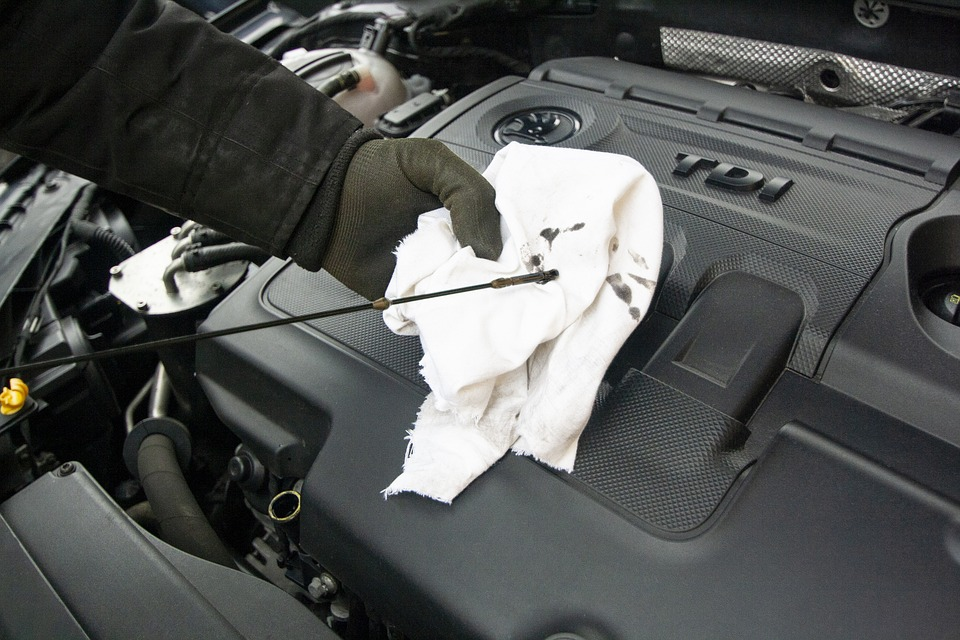
Image courtesy of Pixabay

Posted in:

Related Posts

How to Tell When Your Ford Needs a Transmission Repair

Your transmission is as vital to the proper functioning of your vehicle as the engine. It's also almost as expensive to fix if a serious problem develops. So it's wise to pay close attention to your transmission and respond to indications of trouble as promptly as you would with your engine. Don't hesitate to visit your local Ford dealer for transmission repair if you notice any of the following issues. Your Gears Are Slipping In its mildest form, slipping gears will hinder proper acceleration. You might see high RPMs as your car struggles to gain speed. Slipping gears can also prevent you from shifting smoothly, or shifting at all. At its worst, slipping gears means your car will suddenly pop into neutral or start shifting gears all on its own. Gear slippage can result from various issues. You might have worn gear teeth that are worn down or a malfunctioning cluster of gears. Slippage might also be caused by a broken torque converter or a faulty solenoid, which is the component that regulates the flow of transmission fluid. Most commonly, gear slippage is due to low or aging fluid. You Smell Burning Fluid Over time, transmission fluid naturally ages and thickens as the heat takes its toll, filling with metal particles and other debris from the gearbox. If the fluid is left too long without being refreshed, it reduces in volume and loses its ability to lubricate properly. This creates more friction and heat, which starts to burn the fluid, so you're likely to smell something burning. Flush Fluid Frequently at Your Ford Dealer The key to a healthy, long-lasting transmission is regular fluid flushing. If you drive a manual shift, you'll need to have your fluid refreshed every six months or so. For automatic shifts, it's safe to do this less often. Check your owner's manual and stick to the intervals recommended. You Spot a Fluid Leak Any reddish liquid pooling under your car is probably leaking transmission fluid. If you suspect a leak, you can leave some cardboard under your car when you park and check it when you return. A leak will have to be fixed right away to save your gearbox from far more costly problems. You Hear Grinding When Shifting The changing of gears in a modern Ford should be silky smooth and quiet at all times. If you suddenly hear grinding, something's not right. It's best to have a technician take a look. Visit Koons Woodbridge Ford today to have your transmission inspected and repaired by helpful, experienced professionals. We provide the region's drivers with excellent Ford vehicles and courteous, attentive service.

7 Signs Your Ford Needs an Alternator Repair

Alternators are essential in powering your Ford accessories and keeping the battery fully charged. When there's a problem with your alternator, it will cause a lot of trouble. If your F-150, EcoSport, or Edge shows the following signs, get an alternator repair from your Ford dealer as soon as possible to avoid getting stuck on the side of the road. 1. Your Battery or Alternator Warning Light Is On When the battery or alternator warning light goes on, the problem might not be the battery but the alternator. A failing alternator will cause the voltage to fluctuate, triggering the battery light. When you notice one of the lights is on, call your dealer to schedule an appointment immediately to avoid a breakdown. 2. You Struggle To Start Your Car One of the first signs of a failing alternator is starting issues. It will be hard to get your car going and keep it running because your vehicle is starting from the power stored in the battery. The battery is not strong enough to smoothly start the engine or keep it running, and before long, your car won't start at all. 3. Your Headlights Dim and Flicker When your car's alternator isn't providing enough power, it will affect your headlights and dashboard lights. You will notice that your headlights are dim or flicker. The lights might grow from dim to bright and vice-versa as you accelerate. 4. You Have Problems With the Accessories A malfunctioning alternator won't provide the necessary voltage to the electronic accessories. Your car's windows will move slower, the sunroof might get stuck, and the heated seats and power locks might stop working. 5. You Hear Buzzing, Whining, and Growling Noises Blame a malfunctioning alternator if you hear buzzing, whining, or growling noises when you turn the key. The noises could come from bad bearings or a misaligned alternator belt. Your car may start, but it won't be long before the battery drains the power and the electrical system fails. 6. You Smell Burning Electrical or Rubber Odors When parts of the alternator wear out or the wires are loose or frayed, an overworked alternator will send too much power through the cables, causing the wires to get hot and emit a burning odor. A burning rubber odor could be from a worn alternator drive belt or a misaligned belt rubbing against the pulley. 7. Your Battery Dies A failing alternator can kill your car battery. To determine if the battery or the alternator is causing trouble, jump-start your car. Remove the jumper cables and wait for a while. If the alternator has a problem, it will fail to charge the system, and the vehicle will stop running. If you're struggling with alternator problems, call Koons Woodbridge Ford today. The certified Ford technicians will perform expert repairs and ensure your alternator works perfectly.

Is Your Ford's Car AC Not Working?

For a comfortable driving environment, your Ford's car AC should be in perfect condition. It regulates humidity, cleans, and cools the air. Car AC not working can make your rides really unpleasant, especially during extreme heat conditions. Here are signs that tell you it's time to visit your trusted Ford dealer for an AC repair. 1. Weird Sounds If you start hearing rattling or squealing noises when you turn on the AC, you should be concerned. The diagnosis could be a worn-out compressor, a broken fan belt, or a condenser. Also, there may be debris stuck in the AC fan. It only takes an expert to determine the root cause of the problem and offer long-lasting solutions. 2. Bad Smell There are numerous kinds of odors you'll smell from your car, and none of them should be ignored. You may smell rubber, rotten eggs, or something sweet or burning. If you start smelling something musty from the vents when the AC is on, it may be some mold build-up. Moisture is naturally collected on the AC evaporator, and it may be harboring mold. Running the fan at high speed while the AC is off may help dry off the evaporator and clear the smell. However, that isn't a guarantee that the problem won't repeat itself, especially if there's a clog in the drain tube. Visit your dealership for solutions. 3. No Cold Air This is one of the most obvious signs of a failed air conditioner. If your AC no longer produces cold air like it used to, there's a high probability that the ventilation fan is faulty or some hoses are loose. Your refrigerant may also require a top-up. Check the reservoir regularly to ensure the levels are high enough to maintain the normal cooling process. 4. Weak Airflow If you notice that suddenly your AC's airflow is dull or non-existent, there's a problem somewhere. The most common reasons for this may be a clogged-up cabin filter, faulty blower motor, or resistor. 5. Water on the Floorboard A well-performing AC system drains water away from your vehicle. If you see water under your dashboard or your floor mats, it's time to contact your dealer. There may be a hose crack or air conditioner leakage causing the water issue. A clogged drainage system could also be to blame, and if not fixed early enough, it could lead to mold or mildew accumulation. Do not let that problematic air conditioner spoil your mood every day. Visit Koons Woodbridge Ford today. We have factory-trained mechanics who will diagnose and repair your AC or whatever issues your Ford may have as soon as possible.